What is Problem Gambling?
Gambling is a form of entertainment that involves taking a risk on an uncertain factor or outcome by risking an item of value (such as money) with the intent of winning an item of higher value. While many individuals are able to gamble responsibly, some individuals may have gambling problems that can cause distress and negatively interfere with their life. This is known as problem gambling, although it may also be referred to as a gambling disorder or gambling addiction.
Types of Gambling
There are several different forms of gambling that people can access, whether at home or in a casino. These outlets include:
- Card games
- Slot machines
- Charitable games, such as bingo
- Sports betting
- State lottery games
- Pari-mutuel wagering on horse and dog racing and jai alai
- Electronic and internet gambling
- Loot boxes in video and mobile games that require money to access instead of in-game points
- Fantasy sports leagues
Warning Signs
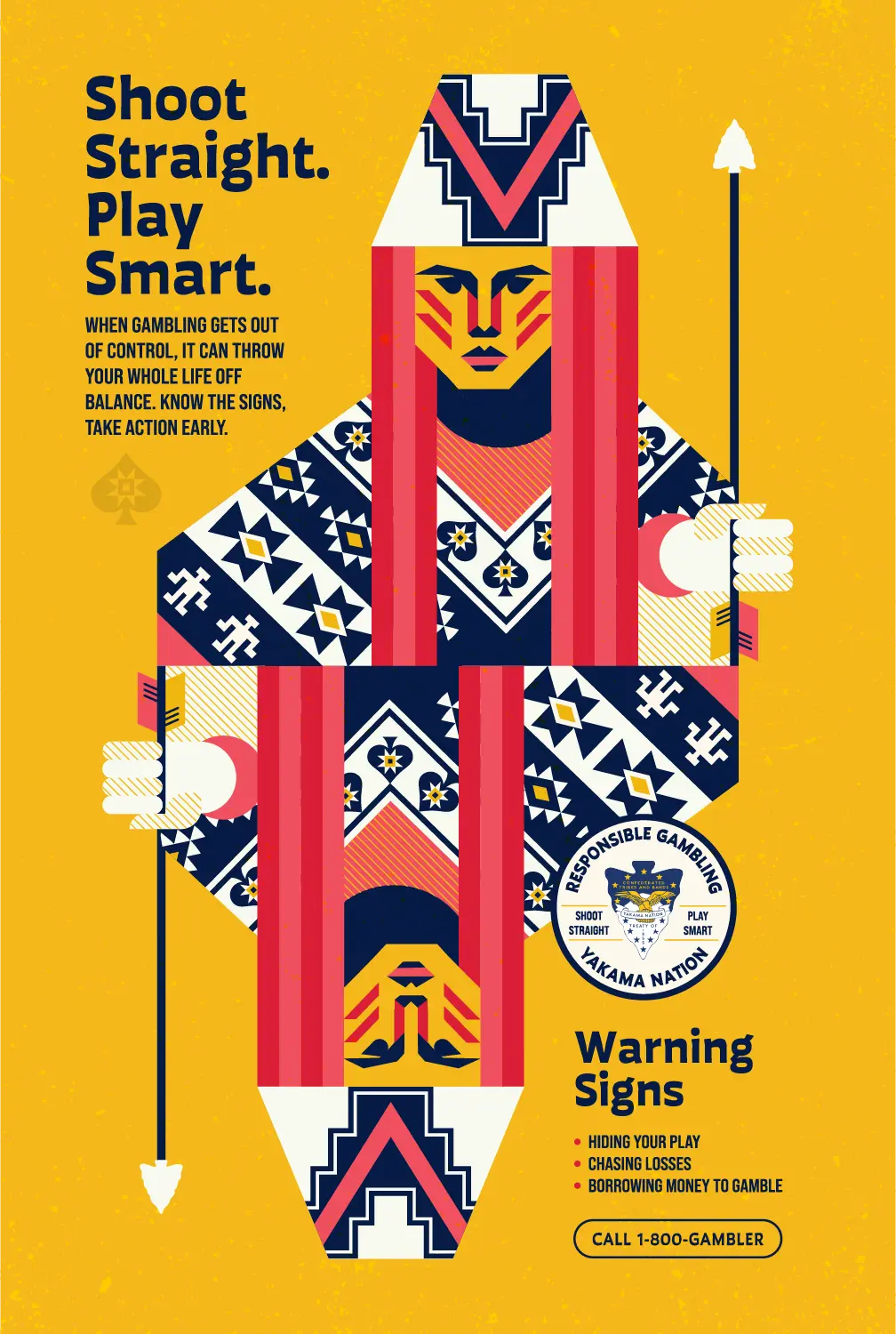
Warning signs of a gambling disorder include:
- Frequently thinking about gambling, such as reliving past gambling or planning future gambling
- Needing to gamble more money and more often to feel the same excitement
- Willing to take high risks when gambling
- Feeling unable to control, cut back, or stop gambling
- Gamblings despite negative consequences
- Feeling restless or irritable when not gambling
- Gambling to escape from negative feelings or situations
- Chasing losses (trying to get even after losing something of value)
- Lying to hide the extent of one’s gambling
- Losing opportunities in school or work and close relationships
- Borrowing money from friends, family members, or co-workers to continue gambling
- Not paying bills on time or taking out multiple loans
- Selling possessions to finance a gambling habit
- Spousal financial abuse or taking money from children
- Participating in criminal activity to fund a gambling habit
Risk Factors
Anyone who gambles can develop a gambling disorder regardless of age, gender, education, economic status, social status, or culture. That said, there are risk factors that can increase your chances of problem gambling. Native Americans have a higher risk of developing a gambling disorder than other Americans. You may also be more likely to develop a gambling disorder if you:
- Are male
- Are under 18 years old or between 18-24 years old
- Are over the age of 50
- Gamble alone
- Have low income
- Are unemployed
- Are homeless
- Are dealing with a recent life event, such as a separation or divorce, injury, loss of a loved one, etc.
- Have a history of trauma, abuse, and neglect
- Have a substance use disorder
- Have a mental disorder that affects impulse control or mood
- Have a mental illness, such as anxiety or depression
- Have a parent, sibling, or other member of the household who gambles
- Have easy access to gambling opportunities, such as loot boxes in games, lottery tickets, or scratch tickets
Consequences
Problem gambling can cause serious issues in your life. Consequences for problem gambling include:
- Financial problems, including debt and bankruptcy
- Issues with and loss of close relationships, including separation and divorce
- Losing work and school opportunities
- Mental illness, such as anxiety or depression
- An increased risk for suicide
By the Numbers
U.S. adults have a gambling disorder – that's around 1% of the population.
Source: ncpgambling.org
of U.S. adults are at risk of developing a gambling disorder – that's around 5-8 million Americans.
Source: ncpgambling.org
of adolescents and young adults who gamble develop a gambling disorder.
Source: apa.org
of U.S. adults have gambled at least once in their lives.
Source: ncpgambling.org
of U.S. adults gambled at least once in 2024 – that's 194 million people.
Source: debt.org
of Americans gamble on a weekly basis.
Source: debt.org
of people have played simulated gambling games by the time they are adolescents.
Source: apa.org
of gamblers say loot boxes are their first introduction to gambling.
Source: apa.org
of Americans with a gambling disorder play slot machines.
Source: quitgamble.com
was spent on gambling in the U.S. in 2023 – that's $1,026 per adult.
Source: debt.org
of people with a gambling disorder withdraw money from their credit card accounts to continue gambling.
Source: debt.org
of people with a gambling disorder file for bankruptcy due to gamblings losses.
Source: debt.org
of people with a gambling disorder will have suicidal thoughts.
Source: psychiatry.org
of people with a gambling disorder will attempt suicide.
Source: ncpgambling.org
of people with a gambling disorder ever seek treatment for their disorder.
Source: psychiatry.org
Play Smart
Play Responsibly
Whether it’s your first time or you’ve gambled for years, having plans in place can help you have fun and play safe. Here are a few strategies that can help:
- Know how the game works before you wager
- Set limits on time and money before you play
- Don't gamble when you're stressed or upset
- Limit how much alcohol or other substances you use when playing – playing under the influence can lead to more reckless playing
- Take frequent breaks from gambling – take a walk, get something to eat or drink, etc.
- Only gamble with money you have – never borrow money or use money set aside for necessities to gamble
- Consider teaming up with a friend to hold each other to your limits
- Balance gambling with other forms of cultural or recreational activities
- Don't try to win back what you've lost
- Always treat gambling as a form of entertainment and never as a means of making money
- If you feel anxious, frustrated, or out of control, stop playing
- Don't depend on good luck strategies – they won't increase your chances of winning



Prevent Youth Gambling
Children, teens, and young adults are more likely to develop a gambling disorder than adults, especially if they have been gambling from a young age. You can help protect youth and young adults by:
- Talking about the risks of non-casino gambling, including scratch tickets, lottery tickets, sports betting, poker, online gambling, and gaming
- Guiding your child in how they use their money and devices
- Encouraging your child to participate in other cultural and recreational activities, such as learning a traditional language, playing sports, or making art
- Modeling healthy behaviors regarding gaming and spending
Get Help
If you’re wondering if you might have a problem with gambling, you probably do. Most people don’t recognize when their gambling habit becomes a gambling disorder, and when they do, they may feel shame regarding their behavior. However, that doesn’t mean you can’t change. Here are some suggestions to get started:
Ask for Help
Reach out to someone you trust, such as a family member, friend, co-worker, teacher, or Tribal leader.
Accept Your Losses
You may have lost a lot at this point, or you may not have lost much yet. Either way, trying to make up for your losses by continuing to gamble will cost you more in the long run. Gambling has a built-in risk that favors the house over the player. It’s better to accept the losses and move on.
Protect Your Finances
Leave your debit and credit cards at home if you go out to gamble. Set a limit on the amount of cash you can take out of your accounts. You may consider having a co-signer on your account or having a trusted family member or friend take responsibility until the issue is resolved.
Block Online Gambling Websites & Apps
You can add digital safeguards to limit access to online gambling. Chrome and Firefox offer extensions that allow you to add websites to your restricted list. BetaBlocker and Gameban are apps that can block online gambling websites and apps on all devices.
Practice Self-exclusion
Self-exclusion is a voluntary and confidential program where you make an agreement with an online or land-based gambling operator that you won’t gamble for a set amount of time. During that time, you will not be allowed to gamble with those establishments. Washington state offers a self-exclusion program for residents. However, Tribal casinos are not included in the program and will have to be contacted separately about their self-exclusion programs.


FAQ
Isn't problem gambling just a financial problem?
Problem gambling is a disorder that can cause financial problems, but it isn’t measured by how much money you lost. Problem gambling can also affect relationships, careers, mental health, and more. These issues are not necessarily fixed once your financial issues are resolved.
How much money do you have to lose before gambling becomes a problem?
Problem gambling isn’t measured by how much money you lost. Problem gambling is whether it causes distress or harm to you and those around you. You could have no financial issues and still have a gambling disorder.
Do casinos, lotteries, and other types of gambling cause problem gambling?
While casinos, lotteries, and other gambling outlets provide opportunities to gamble, they do not cause problem gambling. Many people use these to gamble without developing a gambling disorder.
Is there medication that can help treat problem gambling?
There is no FDA-approved medication for treating gambling disorders. However, there may be medication to treat co-occuring conditions, such as anxiety or depression. Treating other substance use disorders or mental disorders that are affecting you can also help relieve problem gambling symptoms.
What resources are available for problem gambling?
Gamblers Anonymous is a free online resource to connect those struggling with problem gambling with support from others who are seeking to recover.
Gam Anon is another resource available to help individuals struggling with problem gambling as well as their affected family members and friends. The website provides general information for the public as well as access to meetings. The website also offers literature for purchase.
Native Resource Hub is a Native helpline designed to connect Indigenous people with resources in Washington State. The helpline is available Monday through Friday from 8 AM to 5 PM.
The Washington Recovery Help Line is a resource that connects Washington residents to support for substance use disorder, mental health challenges, and problem gambling. The helpline is anonymous, confidential, and available 24/7.